The Services Diamedica Siena, Strada Massetana Romana 65/15, Siena - tel. 0577051849 - email
diamedicasiena@gmail.com

Diamedica

Diamedica

2e199a42-76c0-41b6-aa1d-c1e82a8819bf
a6c81d83-e78c-4b5a-87df-3d8dc06d94bd

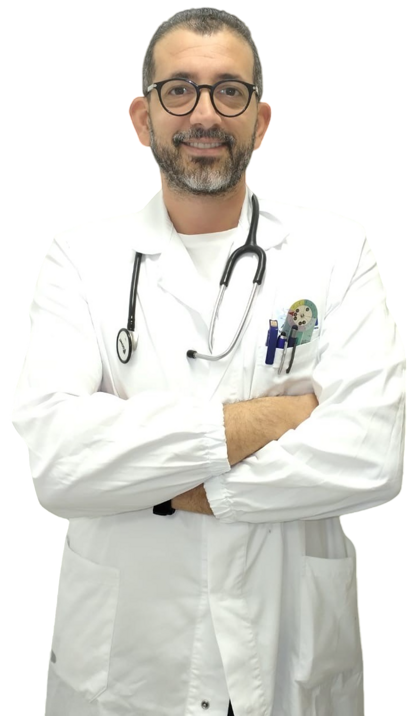
              Cardiologist              Dr. Antonio Varvaglione

Medical Surgeon Specialist in Cardiology

Cardiology visit; electrocardiogram; echocardiogram; carotid color Doppler ultrasound; ECG Holter; stress test and 24-hour blood pressure monitoring

For appointments: Diamedica Siena 0577051849 diamedicasiena@gmail.com

ccd508cb-8bd5-4f42-8b28-88646920529f
4fb4a819-0311-481f-b553-f3f4cacf1200
2e199a42-76c0-41b6-aa1d-c1e82a8819bf

Cardiologist Dr. Antonio Varvaglione

Medical Surgeon Specialist in Cardiology

Services Offered

  • Cardiology visit
  • Electrocardiogram
  • Echocardiogram
  • Carotid color Doppler ultrasound
  • ECG Holter
  • Stress test
  • 24-hour BP monitoring

For appointments: Diamedica Siena: 0577051849 - diamedicasiena@gmail.com

Cardiology


Cardiology is a branch of medicine that deals with the study, diagnosis, and treatment of acquired or congenital cardiovascular diseases. The specialist doctor in this field is called a cardiologist. In recent years, cardiology has evolved greatly, developing specialties such as hemodynamics and electrophysiology.

Importance of Cardiology

The discipline has enabled therapeutic improvement of congenital heart diseases, leading to the creation of a sub-branch for adult congenital heart patients. Specialist doctors deal with the treatment of cardiovascular diseases and related complications, such as heart failure and rhythm abnormalities. They also promote the prevention of cardiovascular health and the rehabilitation of patients after surgical procedures.

Widespread Heart Diseases

The main diseases include stable and unstable angina, and myocardial infarction. These conditions are still one of the main causes of death worldwide, accounting for 50% of causes in developed countries and 25% in developing countries.

Cardiologist Dr. Antonio Varvaglione  medical doctor  specialist in cardiology

Cardiology

Cardiology is a branch of medicine that deals with the study, diagnosis, and treatment (pharmacological and/or invasive) of cardiovascular diseases whether acquired or congenital.

Those who deal with this branch of medicine, as a specialist doctor, are called cardiologists. Cardiology is a discipline that in recent years has evolved greatly and within it specialties such as hemodynamics and electrophysiology have developed. It should also be noted that the medical and surgical therapeutic improvement of congenital heart diseases has allowed the survival of many children who, having become adults, have led to the creation of a new branch of cardiology dedicated to adult congenital heart disease patients. In addition to the treatment of cardiovascular diseases, heart failure, and rhythm abnormalities, the cardiologist is involved in cardiovascular prevention and the rehabilitation of patients who have undergone revascularization procedures, whether cardiac surgery or percutaneous angioplasty. Cardiovascular diseases are still the leading cause of death worldwide (50% of the total in developed countries and 25% in developing countries).[1][2] Among the most common heart diseases are stable angina on exertion, unstable angina and myocardial infarction.


Cardiological diseases are generally grouped under the term Cardiopathy and will be distinguished according to the affected site.

Coronary diseases

Atherosclerosis is a disease with multiple pathogenesis, where the inflammatory process affects large and medium caliber arteries; it involves all districts and depending on the site of acute occlusion we would have stroke, myocardial infarction, infarction intestinal and so on.


Acute coronary syndrome


Under the name acute coronary syndrome are included myocardial infarction and forms of angina:


Acute myocardial infarction


Unstable angina


Prinzmetal's angina

Diseases of the cardiac "muscle"

Cardiomyopathy: hypertrophic, with thickening of the heart muscle, and dilated, with increased volumes of the ventricular chambers and thinning of the heart walls. These cardiomyopathies can lead to heart failure, also known as cardiac decompensation


Myocarditis : generally of viral origin

Heart valve diseases

These diseases fall under the generic name of valvulopathies, and are mostly congenital or acquired abnormalities involving insufficiencies or restrictions (stenosis) of the valves:


Endocarditis: very serious infection of the native valves, acquired during infectious diseases


Simple and localized aortic coarctation are congenital narrowings of the aortic arch.


Vascular rings, constitute a group of malformations of the aortic arch or the pulmonary artery that also affect the trachea and the esophagus.


Aortic stenosis


Mitral stenosis congenital


Tricuspid stenosis congenital


Pulmonary stenosis congenital


Aortic insufficiency congenital


Mitral insufficiency congenital


Tricuspid insufficiency congenital


Pulmonary insufficiency congenital


The stenosis and valvular insufficiency can be congenital, but more often in clinical practice degenerative alterations of the cusps and malformations related to calcium deposits are encountered, which occur at more advanced ages.

Pericardial diseases

Pericarditis : generally viral. It is the inflammation of the pericardial layers.


Cardiac tamponade : it is related to inflammation of the pericardium, which leaks serum that accumulates in the pericardial cavity. It is generally reabsorbed with the use of medications, but if this does not happen, it is removed with a procedure called "pericardiocentesis"


Cardiac conduction diseases


This definition includes all arrhythmias, where there is an alteration of the heart rate and true conduction disorders. Some arrhythmias may fall within the physiology of the heart rhythm, while others may indicate the possibility of actual diseases. Normal sinus rhythm is defined as tachycardia if it exceeds 100 beats per minute and bradycardia if it is below 60 beats per minute.


Alterations of rhythm or arrhythmia proper, are quite frequent in the general population. The most common are:


atrial fibrillation


atrial flutter


paroxysmal supraventricular tachycardia


isolated atrial and ventricular ectopias

Vessel diseases

Aneurysm


Arterial hypertension


Thrombosis


Myocardial ischemia


Pulmonary embolism


Pulmonary hypertension


Congenital diseases


Tetralogy of Fallot

Atrial septal defects

Transposition of the great vessels


Ductus arteriosus


Dextrocardia


Atrial septal defects


Atrioventricular septal defects


Isolated interventricular septal defects


Tricuspid atresia


Pulmonary atresia with intact septum


Pulmonary atresia with ventricular septal defect


Hypoplastic left heart syndrome


Ebstein's anomaly

Heart tumors

In autopsy studies, the percentage of tumors involving the heart is close to zero, while the development of metastases from primary tumors in other organs is more common, which can cause heart dysfunction.


The echocardiogram is of great help in the recognition and isolation of these secondary lesions. Among the primary tumors of the heart is the myxoma, which alone accounts for 50% of all tumor forms. The extremely low percentage of cardiac tumors is related to the organ's incessant activity, which does not allow for the easy "engraftment" and development of neoplastic cells. Among the tumors of the heart we find:


Angiosarcoma


Hemangioma


Papillary fibroelastoma, common to the heart valves.


Fibroma, benign tumors of connective tissue, have a significant incidence in children and young people.


Leiomyosarcoma


Lymphoma


Lipoma and its malignant form Liposarcoma.


Mesothelioma of the AV node,


Myxoma


Osteosarcoma


Rhabdomyoma, the most frequent in newborns within their first year of age.


Neurogenic sarcoma


Synovial sarcoma


Teratoma, another typical tumor in children, although it rarely appears in the heart. 

The Services Diamedica Siena, Strada Massetana Romana 65/15, Siena - tel. 0577051849 - email
diamedicasiena@gmail.com